Corporate governance is no longer judged solely by board structure, independence or remuneration. Investors increasingly want to know whether governance enables companies to manage risk, adapt to change and create long-term value.
In a world shaped by geopolitical uncertainty, market volatility, supply-chain disruptions and evolving regulations, effective governance is critical. The conference will explore where governance meets valuation, focusing on risk management, climate disclosure, nature-related governance, capital allocation and organisational resilience.
As AI agents and digital workers become increasingly embedded in business operations, the governance challenge extends beyond AI adoption to ensuring appropriate oversight, accountability, and risk management. This session will explore whether organisations should maintain an AI agent register to track where AI is deployed, the authority granted to these systems, the data and workflows they can access, and the safeguards in place when issues arise.
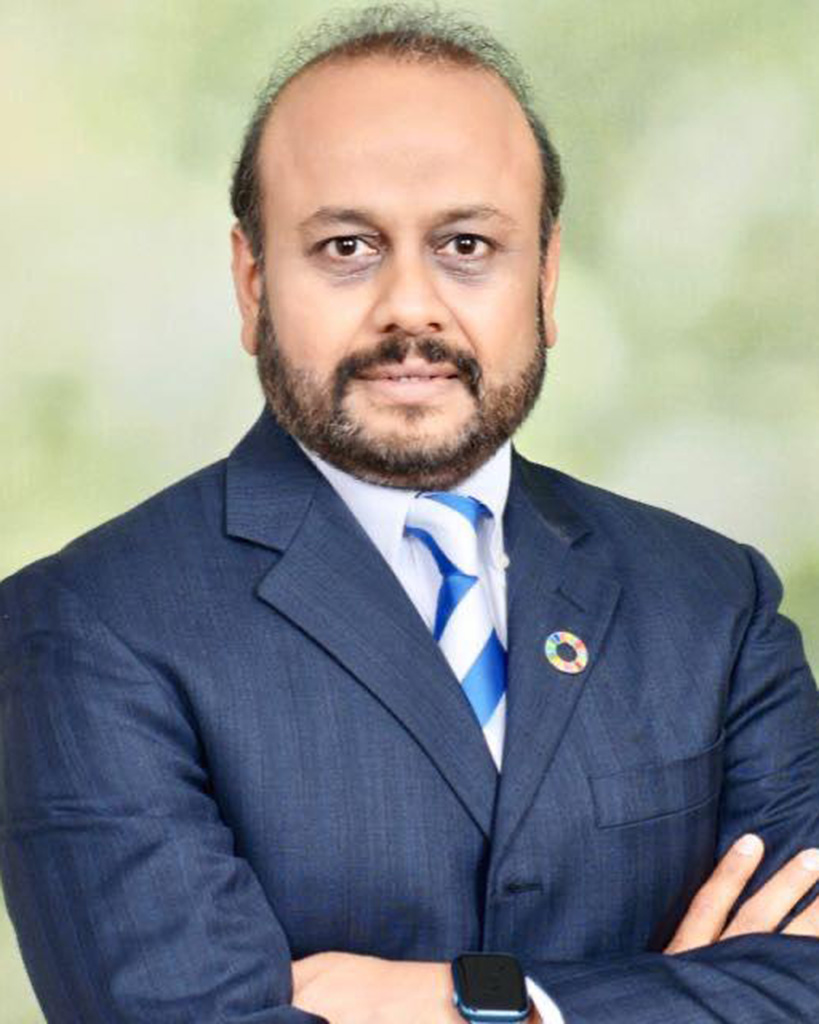
Chairman, Mehta Trust, Tech Entrepreneur, Investor and Chairman Emeritus- Quad Investors Network (QUIN)
Key discussion points include:
The discussion will examine how organisations can govern AI agents with the same level of accountability and oversight expected for human employees, while balancing innovation and stakeholder trust.
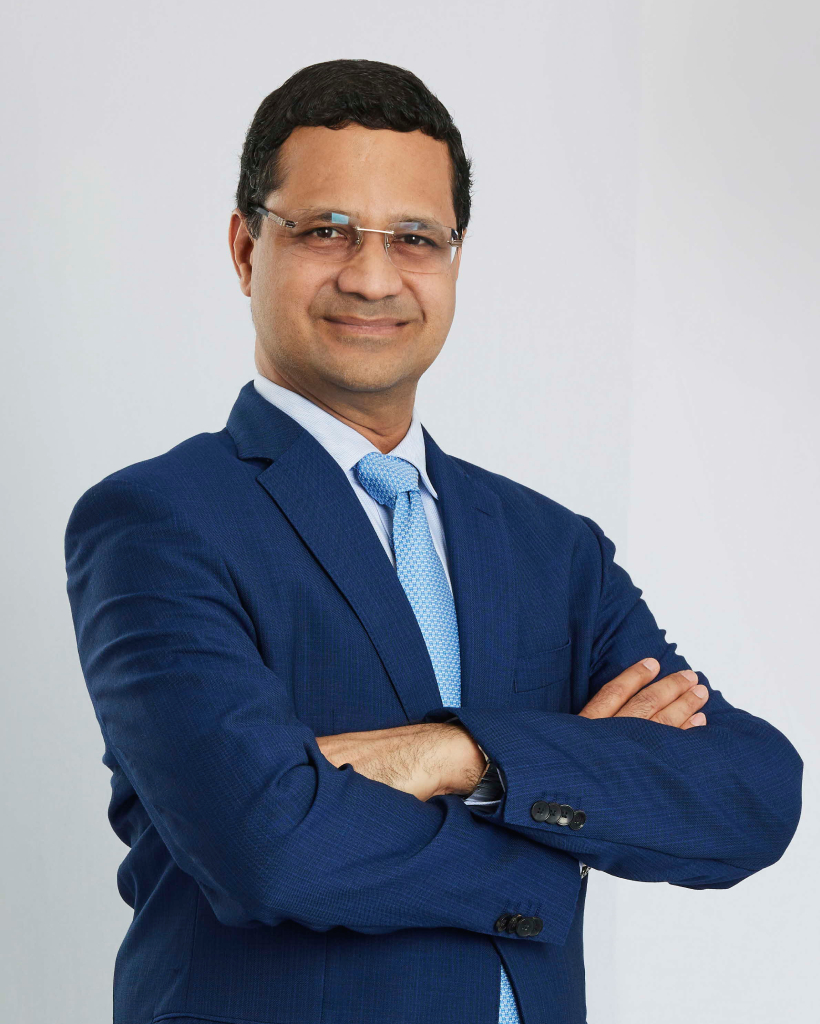
Honorary Secretary, SIAS and Managing Director, EQT Group
Chairman-Mehta Trust, Tech Entrepreneur, Investor and Chairman Emeritus- Quad Investors Network (QUIN)
Former Minister for Finance & Human Resources Management, and former Minister for Information Technology & Digital Services, in the Government of Tamil Nadu, India
As investor expectations evolve, the focus has shifted from sustainability reporting to the credibility of a company’s climate and nature transition strategy. Investors increasingly want assurance that boards are effectively overseeing climate-related and nature-related risks, integrating these considerations into strategy and capital allocation, and ensuring sustainability commitments are supported by measurable actions.
This session will explore the board’s role in overseeing climate transition plans, managing environmental and supply-chain risks, governing sustainable finance initiatives, and safeguarding against greenwashing. It will also examine how effective climate and nature governance can support long-term resilience, investor confidence and sustainable value creation.
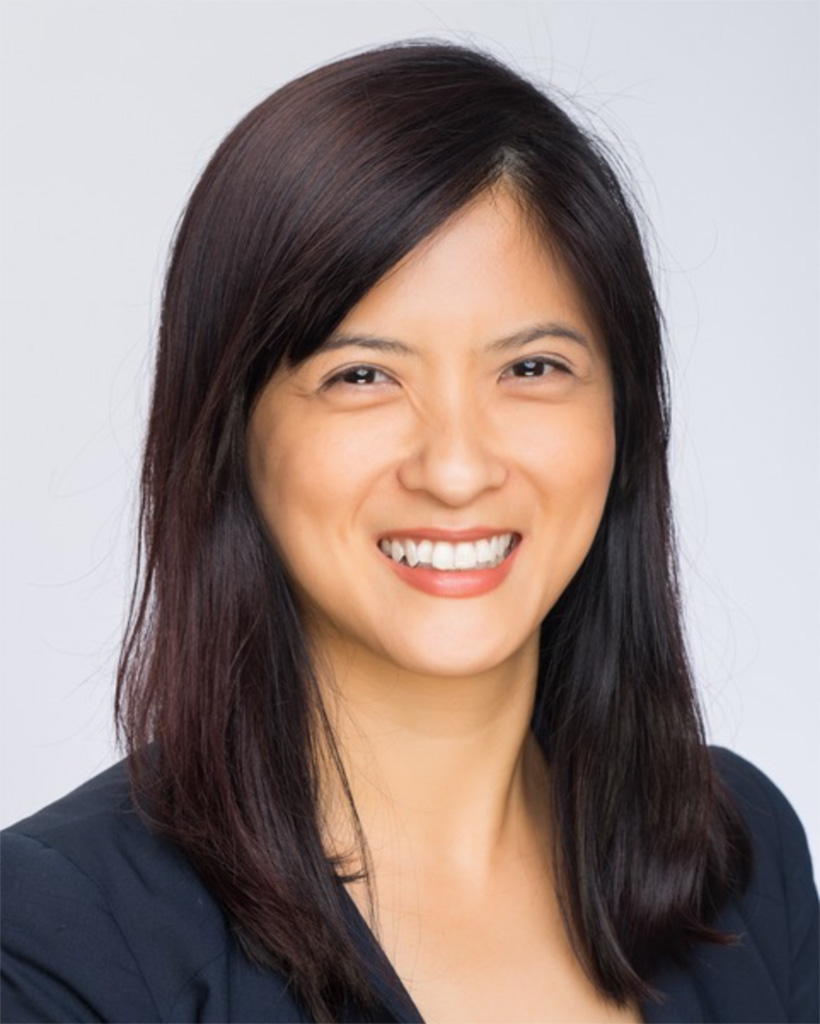
CEO, Climate Impact X
Geopolitics has moved from the risk register to the investment case. For Singapore-based and Singapore-listed companies, the exposure is acute. Many depend on open trade, stable shipping routes, energy flows, cross-border finance, technology access and access to multiple Asian markets. War in the Middle East, energy-price spikes, sanctions, tariffs and unpredictable US policy can quickly affect margins, supply chains, financing and market access.
This session would ask what investors should expect from boards. Not broad commentary on external risks, but evidence of stress-testing, exposure mapping and decision-making shaped by geopolitical risk. The strongest companies will show that geopolitics informs strategy, procurement, financing, supply-chain design and capital allocation. The weakest will simply say they are “monitoring developments”.
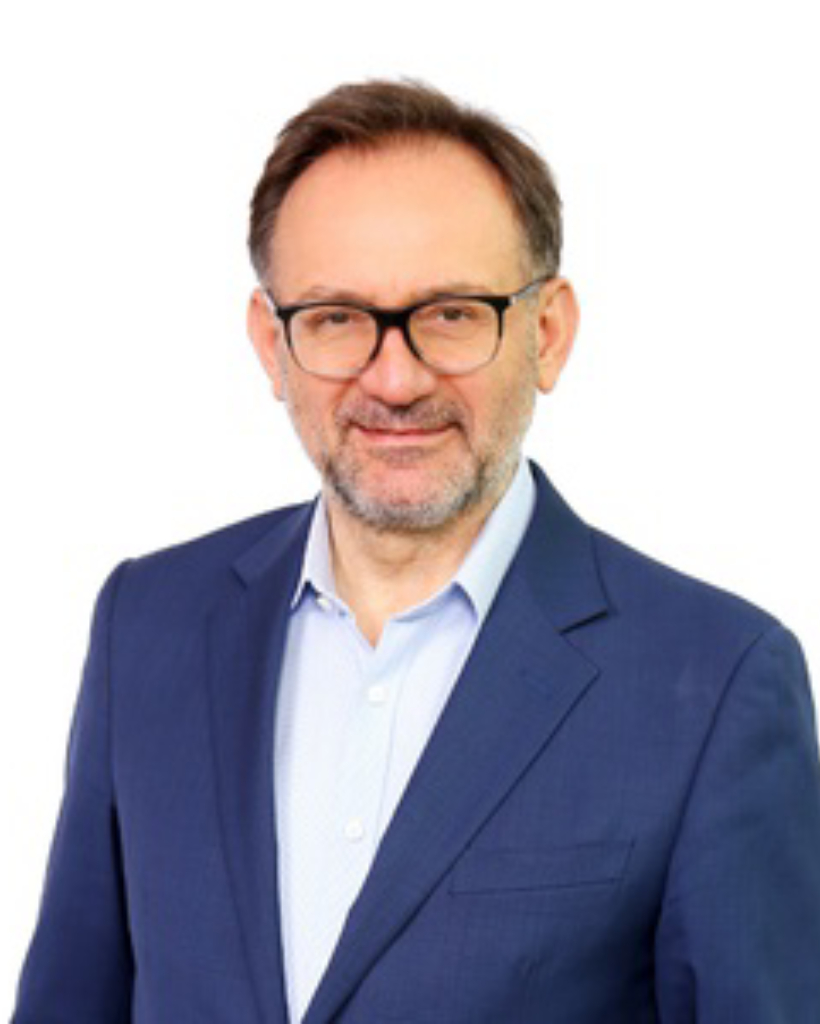
Professor, ESSEC Business School Asia Pacific, Singapore
In uncertain markets, poor discipline is costly. Companies can overpay, overbuild, underinvest in resilience, pursue poorly timed acquisitions or continue funding projects long after the original case has weakened.
For investors in Singapore and Southeast Asia, this matters across infrastructure, logistics, real estate, energy transition, digital infrastructure, regional expansion, restructuring and M&A. The session would examine how investors can test whether boards are applying real discipline to major commitments: staged approvals, downside cases, hurdle rates, re-decision points, cash-flow scrutiny, resilience buffers and clear exit triggers.
M&A would be treated as a central part of this discussion, not a separate silo. Singapore’s role as a regional dealmaking hub makes questions of valuation discipline, related-party risks, conflicts of interest, independent advice, fairness to minority shareholders, integration accountability and post-deal performance tracking especially relevant.

Advisor, CG Conference & Forum Advisor Committee, SIAS
AI-enabled cyber threats, such as deepfakes and synthetic media, are now a board-level and investor concern for listed companies. These risks can undermine market confidence, distort investor communications, weaken internal controls, and damage corporate reputation, through scenarios like fake CEO instructions, manipulated disclosures, and fraudulent outreach.
This session will focus on governance: whether boards are receiving clear, decision-useful information on technology risk, and whether companies have robust incident response and escalation frameworks in place. It will also touch on longer-term risks such as quantum computing, while keeping the emphasis on immediate oversight, resilience, and investor trust.
In today’s markets, value is shaped not only by financial performance but also by stakeholder trust. Investors increasingly assess whether boards and senior management can communicate strategy clearly, respond credibly during crises, and maintain confidence when organisations face scrutiny.
Media readiness is therefore no longer a public relations issue, it is a governance capability. A poorly handled interview,/ inconsistent messaging during a crisis, or an unprepared spokesperson can erode market confidence, amplify reputational damage and negatively affect shareholder value. Conversely, leaders who communicate with clarity, transparency and credibility can strengthen investor trust, enhance corporate reputation, support capital-raising efforts and reinforce long-term value creation.
This session will examine how boards and senior management can leverage strategic communications and media preparedness as value-creation tools. It will explore the board’s role in overseeing corporate narratives, preparing executives for high-stakes media engagements, managing disclosure risks, responding to crises, and engaging investors and stakeholders with confidence.
Participants will gain practical insights into how media training and communication preparedness can contribute to stronger governance, organisational resilience and sustainable enterprise value.
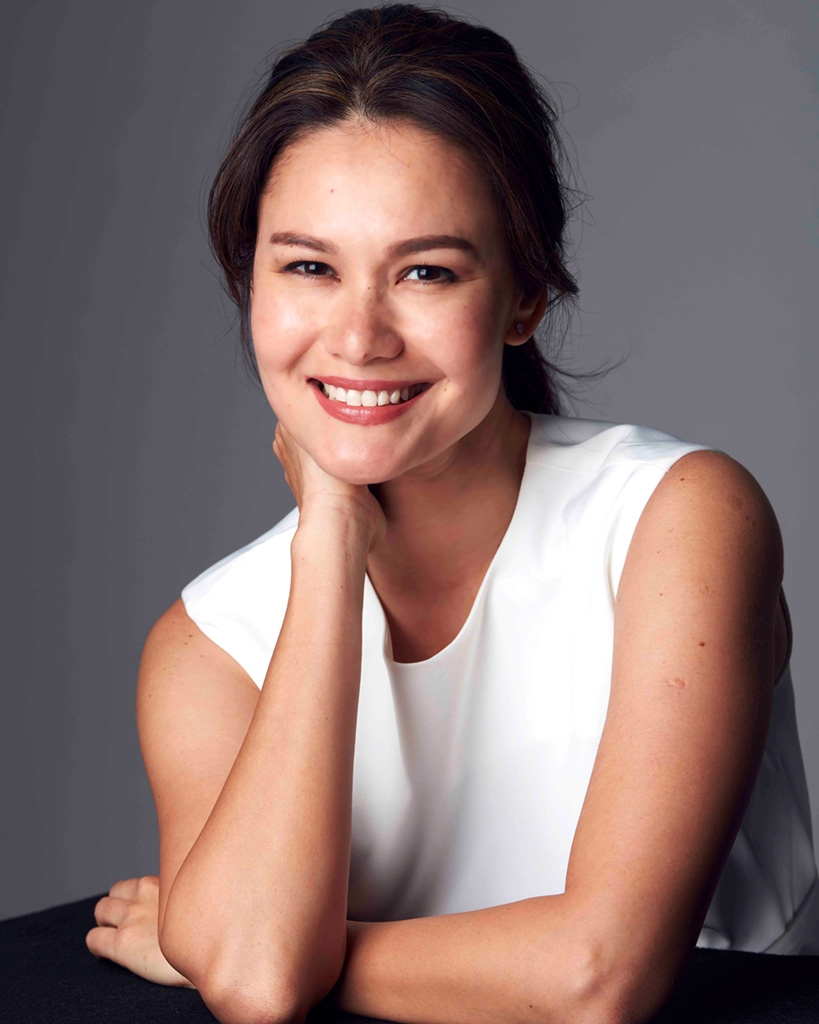
Founder, Eunice Olsen Media
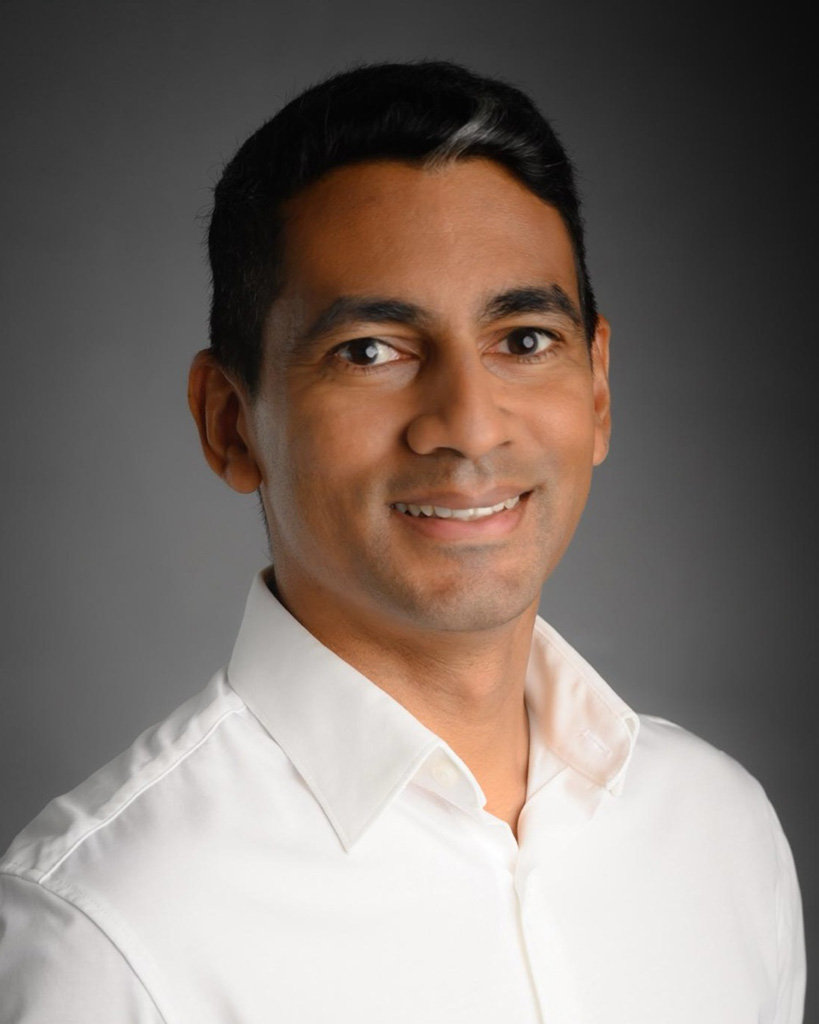
Karl Mehta is a serial entrepreneur, engineer, and investor with over 20 years of experience building technology companies across the U.S. and international markets. He founded EdCast, a learning and knowledge platform acquired by Cornerstone OnDemand in 2022, and previously founded PlaySpan Inc., a digital payments company acquired by Visa in 2011. Since 2022 he has served as Chairman of the Quad Investors Network at America’s Frontier Fund, focused on critical technology investment among Quad nations. Mehta was also a White House Presidential Innovation Fellow (2012–2013) and won Ernst & Young’s Entrepreneur of the Year award in 2010.
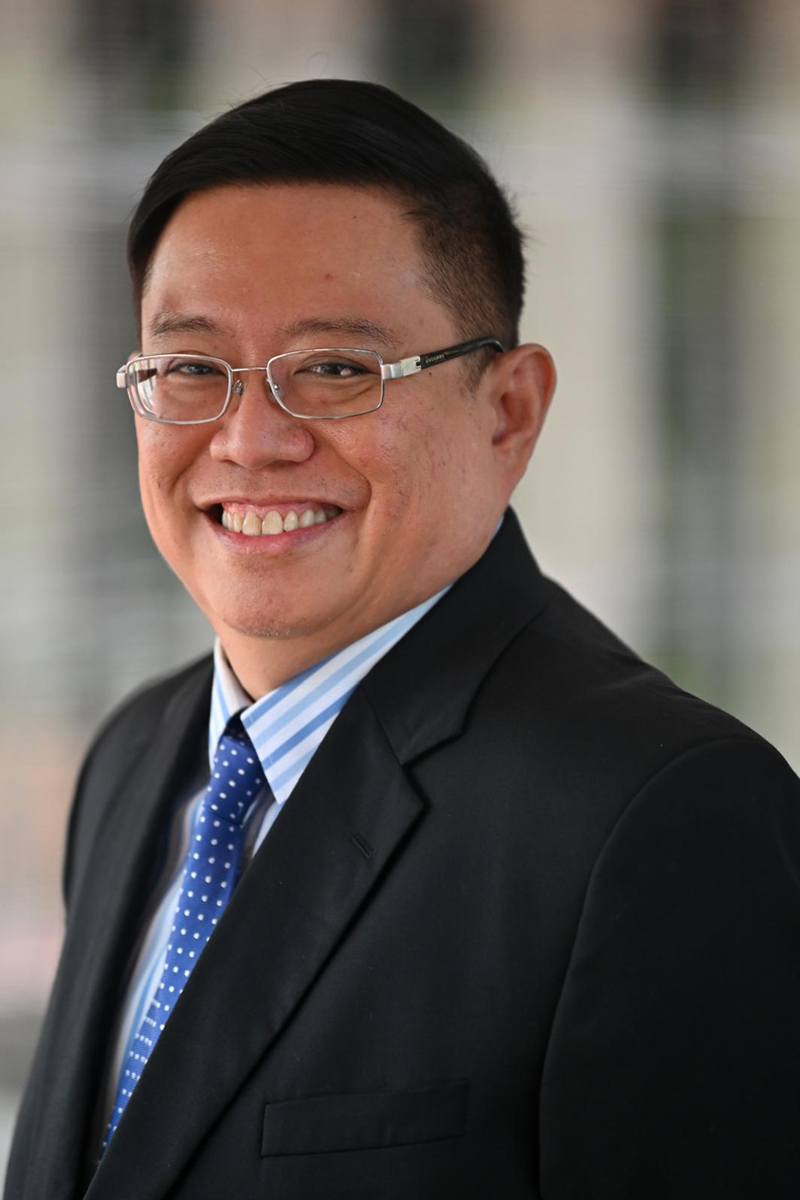
Dr Joshua Kuma is the Managing Director at EQT Group and a Founding Board Member of BPEA Foundation Ltd, Singapore. As an Honorary Secretary of the Management Committee at SIAS, he offers various assistance to the President and champions initiatives in his role as Chairman of the Green, Nature & Sustainability Sub-Committee.
A recipient of the Singapore Public Service Medals, Dr Joshua was appointed as a Justice of the Peace (JP) by the President of the Republic of Singapore in September 2025, in recognition of his contributions to public service. He has made significant contributions to Singapore through his charity work and active participation in the Committee on the Future Economy (CFE) and the Economic Strategies Committee (ESC).
Dr Palanivel Thiaga Rajan is the former Minister for Finance & Human Resources Management, and former Minister for Information Technology & Digital Services, Government of Tamil Nadu, India. He represented Madurai Central in the Tamil Nadu Legislative Assembly (2016–2026). As Finance Minister, he served on India’s GST Council, and anchored the state’s climate agenda, including a ₹1,000 crore Green Climate Fund and a dedicated Climate Change Mission. Earlier, he spent over two decades in international investment banking, including as Senior Managing Director, Financial Markets, at Standard Chartered Bank in Singapore and at Lehman Brothers in New York, and holds degrees from NIT Trichy, SUNY, and MIT Sloan.
Oi-Yee is the Chief Executive Officer of Climate Impact X (CIX), a global carbon market solutions provider headquartered in Singapore. She is responsible for overseeing the strategic direction of CIX, as well as developing and executing the company’s vision and mission to accelerate environmental impact at scale through the carbon markets.
Oi-Yee is a seasoned, visionary leader with a background spanning 25 years in financial markets. She brings a wealth of experience in building and leading high-performing businesses across sectors, with a proven track record in fintech, innovation and capital markets.
Oi-Yee was most recently CEO of ADDX, a blockchain-based private capital markets exchange in Singapore licensed and regulated by the Monetary Authority of Singapore. Under her leadership since 2020, ADDX strengthened its partnerships with global blue-chip companies and grew its platform to surpass US$1 billion in tokenised securities, one of the largest worldwide.
Prior to ADDX, Oi-Yee spent over 20 years in investment banking, leading major capital markets transactions for clients across Asia, Europe and the US.
Prof. Cedomir Nestorovic holds a PhD from the Institute of Political Science in Paris (Sciences Po). He is a Professor of Geopolitics and Islamic Business at ESSEC Business School. He is the founder and co-academic director of the MBA program at the Arabian Gulf University, Manama, Bahrain. He was awarded the title of “Professor of the Week” by The Financial Times in 2012 and the Best teacher prize at ESSEC in 2017 and 2025. Professor Nestorovic is the academic co-director of the Institute for Geopolitics and Business at ESSEC Business School.
Professor Nestorovic is the author of the book ‘Geopolitics and Business, Relevance and Resonance’, published by Springer in 2023 and translated in Japanese in 2026. He regularly teaches in Paris, Mannheim, Tokyo, Seoul, Singapore, Surabaya, Bahrain, and Rabat, either for students or companies such as Takeda, Danone, Etisalat, Nestlé, Heidelberg Materials, Grant Thorton, Heidelberg Materials, or Thales.
Prof. Nestorovic cooperates closely with the Diplomatic Academies worldwide where he gives lectures on a periodic basis. Lately he gave talks at the Diplomatic Academies or Foreign Service Academies of Indonesia, Pakistan, Italy, Kazakhstan, Serbia, Mexico and Portugal. He is based on the ESSEC campus in Singapore since 2011 and is a regular guest on news and current affairs programs providing expert commentary.
He appears on TV channels such as CNBC, and Channel NewsAsia; radio stations like Money FM or CNA; and in newspapers such as Le Monde, Liberation, La Tribune, The National (Abu Dhabi), Jakarta Post, Bangkok Post, South China Morning Post, Newsweek, The Business Times (Singapore) and The Edge (Singapore).
Mr. Robson Lee is a Partner of Kennedys Law and a Director of Legal Solutions LLC, with more than 30 years of practice experience in the areas of corporate finance, capital markets, and in international mergers and acquisitions. He has been recognized in The Best Lawyers in Singapore 2023, 2024, 2025 and for 2026 as a leading lawyer in mergers and acquisitions. Mr. Lee is also the Chairman of the Audit Committee of the Law Society of Singapore.
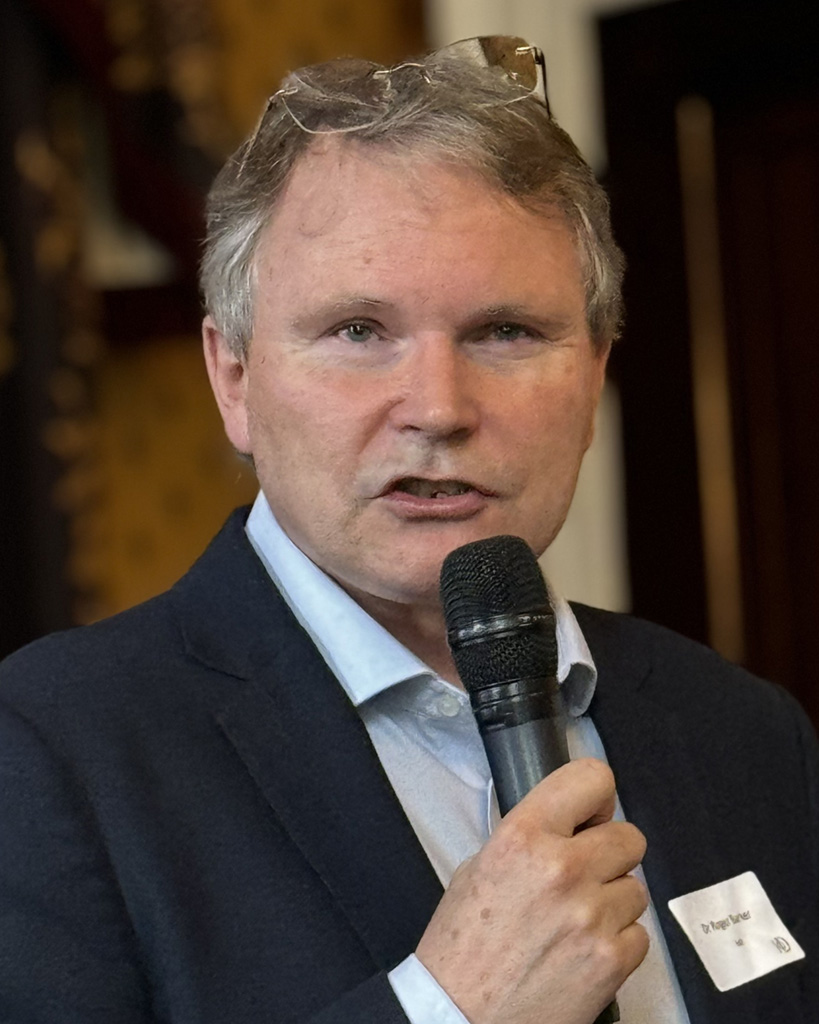
Dr Roger Barker is Chief Research and Thought Leadership Officer at the Center for Governance (CFG), a unit of the Public Investment Fund (Saudi Arabia’s sovereign wealth fund). Prior to relocating to Riyadh in 2025, Dr Barker spent more than 15 years at the Institute of Directors in the UK, where he was Director of Policy and Corporate Governance. Dr Barker is the author of four books and numerous papers on corporate governance and board effectiveness, and has served on several UK and European boards in the private and not-for-profit sectors. He is a former UK-appointed member of the European Economic and Social Committee and the founder of successful corporate governance advisory company. In the first part of his career, Dr Barker spent a decade in a variety of equity research and senior management roles at UBS and Bank Vontobel, both in the UK and Switzerland. He has a doctorate (DPhil) from Oxford University and taught politics at Merton College, Oxford (2005-2008).
Brig. General (NS) Gaurav Keerthi is the Founder and CEO of StrongKeep, providing cybersecurity for the world’s smaller businesses. His extensive leadership background includes serving as Deputy Commissioner of Cybersecurity and Deputy Chief Executive at the Cyber Security Agency of Singapore, CIO of the Republic of Singapore Air Force, and EVP at Ensign InfoSecurity. An expert advisor and international speaker at conferences like UN, WEF, Black Hat, and DEFCON, he holds degrees from Stanford and Harvard universities and serves as an Adjunct Senior Fellow at Nanyang Technological University.
Vincent is the Chief Technology Officer and Assistant Managing Director for the Technology Group at the Monetary Authority of Singapore (MAS), overseeing technology, AI and data, digitalisation, cybersecurity, technology regulations, and payment services and operations.
He previously led Accenture Singapore’s Financial Services practice, advising global organisations and governments on innovation, disruption and digital transformation. Prior to that, he held several leadership roles at PwC, including leading its Asia Pacific Financial Crime and Cyber practice and Singapore’s Financial Services Risk Assurance and Data & AI practice. During his career in the UK and US, he advised boards and senior management on technology risks, cyber resilience, governance and major technology-related incidents.
Vincent also serves on several industry and academic advisory boards, including Synapxe as an independent board director.
Eunice has over 20 years of media and communications experience through her work as a TV host, actress, producer, events emcee, public and social policy advocate, consultant and trainer. She has also been an ambassador and spokesperson for global brands and helped to advocate social impact campaigns for organisations such as Singapore Red Cross, Habitat for Humanity and World Vision.
Eunice is commissioned by corporations and organisations to host, moderate and speak at live and virtual events. Highlights include delivering the keynote at the Cartier Women’s Initiative Awards, hosting a fireside chat with the former Prime Minister of Denmark, and delivering talks at the United Nations HQ and the LH Forum in France.
Topics she is frequently asked to speak on and moderate include women’s empowerment, gender equality, people with disabilities, media ethics and the circular economy. She has spoken at Google, Twitter, Facebook, INSEAD, IIMPACT Global, Singapore Management University and Harvard University, and conducted communications training for senior civil servants, C-suites and post-graduates.